October 27, 2026
When most people think about professional paving, they picture installing a new driveway, resurfacing a parking lot, or repairing damaged asphalt. However, paving contractors offer additional services that can improve pavement performance, address drainage concerns, and extend the usefulness of existing surfaces. Some of these options receive less attention because they involve preventive maintenance or correcting problems that are not immediately visible. Understanding the full range of available paving services can help homeowners and commercial property owners make informed decisions about maintaining their outdoor spaces. From restoring worn surfaces to improving water management, specialized techniques can address concerns before they require extensive reconstruction.
1. Repairing Asphalt With Infrared Technology
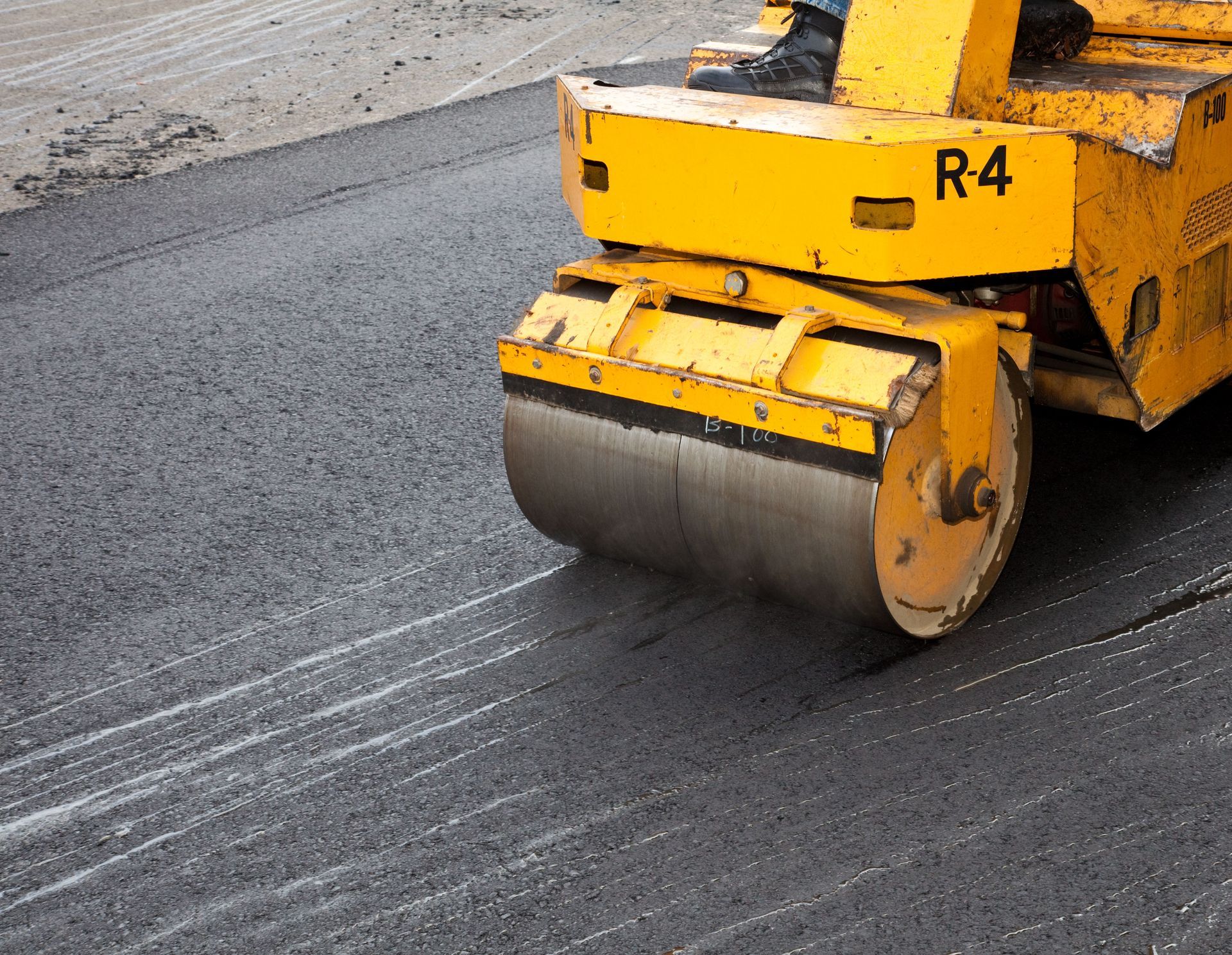
Infrared asphalt repair is a specialized technique used to address certain types of localized pavement damage. Instead of removing a large section of existing asphalt, contractors use infrared heating equipment to soften the surface. The heated material can then be worked together with additional asphalt when necessary, allowing damaged areas to be repaired and compacted. This approach may be suitable for some potholes, surface irregularities, and minor pavement defects. However, its effectiveness depends on the condition of the underlying pavement and the extent of the damage.
One advantage of infrared repair is that it can reduce the need for extensive excavation when the pavement's foundation remains stable. The process may also create a smoother transition between repaired and surrounding areas. Property owners should ask whether this method is appropriate for their specific concerns rather than assuming it can resolve every asphalt problem. Deep structural failures, widespread deterioration, and unstable base materials may require more substantial repairs. A professional assessment helps determine which approach offers a practical solution.
2. Correcting Drainage With Asphalt Grading
Water management plays an important role in pavement durability, yet drainage improvements are sometimes overlooked until visible damage develops. Asphalt surfaces should be designed to direct water away from buildings and prevent unnecessary pooling. When pavement settles or develops uneven slopes, rainwater may collect in low areas. Standing water can gradually contribute to surface deterioration, particularly when moisture enters existing cracks. Drainage-related paving services can address these concerns by modifying elevations, correcting surface slopes, or improving transitions between paved sections.
Contractors may evaluate existing grades and identify locations where water repeatedly accumulates. Depending on the problem, corrective work could involve localized asphalt adjustments, resurfacing, or coordination with drainage improvements. Proper grading is especially important around garages, loading areas, parking lots, and building entrances. Property owners should observe where water collects after rainfall and share those observations during an inspection. Addressing drainage problems can help reduce recurring damage while improving the usability of paved areas during wet conditions.
3. Restoring Surfaces With Asphalt Milling
Asphalt milling involves removing a controlled depth of existing pavement using specialized equipment. Unlike complete demolition, milling can preserve portions of the existing pavement structure when they remain suitable for continued use. Contractors may use this technique to remove deteriorated surface layers, correct certain elevation problems, or prepare pavement for a new asphalt overlay. The depth of removal depends on the project's requirements and the condition of the existing surface. Milling is commonly associated with roads and commercial properties but may also serve other paved areas.
Removing worn asphalt before resurfacing can help maintain appropriate elevations around curbs, entrances, and drainage structures. It may also reduce problems caused by repeatedly adding new pavement layers without accounting for surrounding features. Milled asphalt can sometimes be processed for reuse in suitable applications, depending on material quality and project requirements. Before recommending this approach, contractors should evaluate whether the remaining pavement can adequately support a new surface.
4. Protecting Pavement With Crack Sealing
Small pavement cracks may seem like minor cosmetic concerns, but they can create pathways for moisture and debris. As water enters damaged areas, it may contribute to deterioration beneath the surface. Crack sealing involves preparing suitable openings and applying materials designed to limit water infiltration. The appropriate product and installation method depend on crack characteristics, pavement conditions, and expected movement. These preventive paving services can be particularly useful when asphalt remains structurally sound but shows early signs of wear.
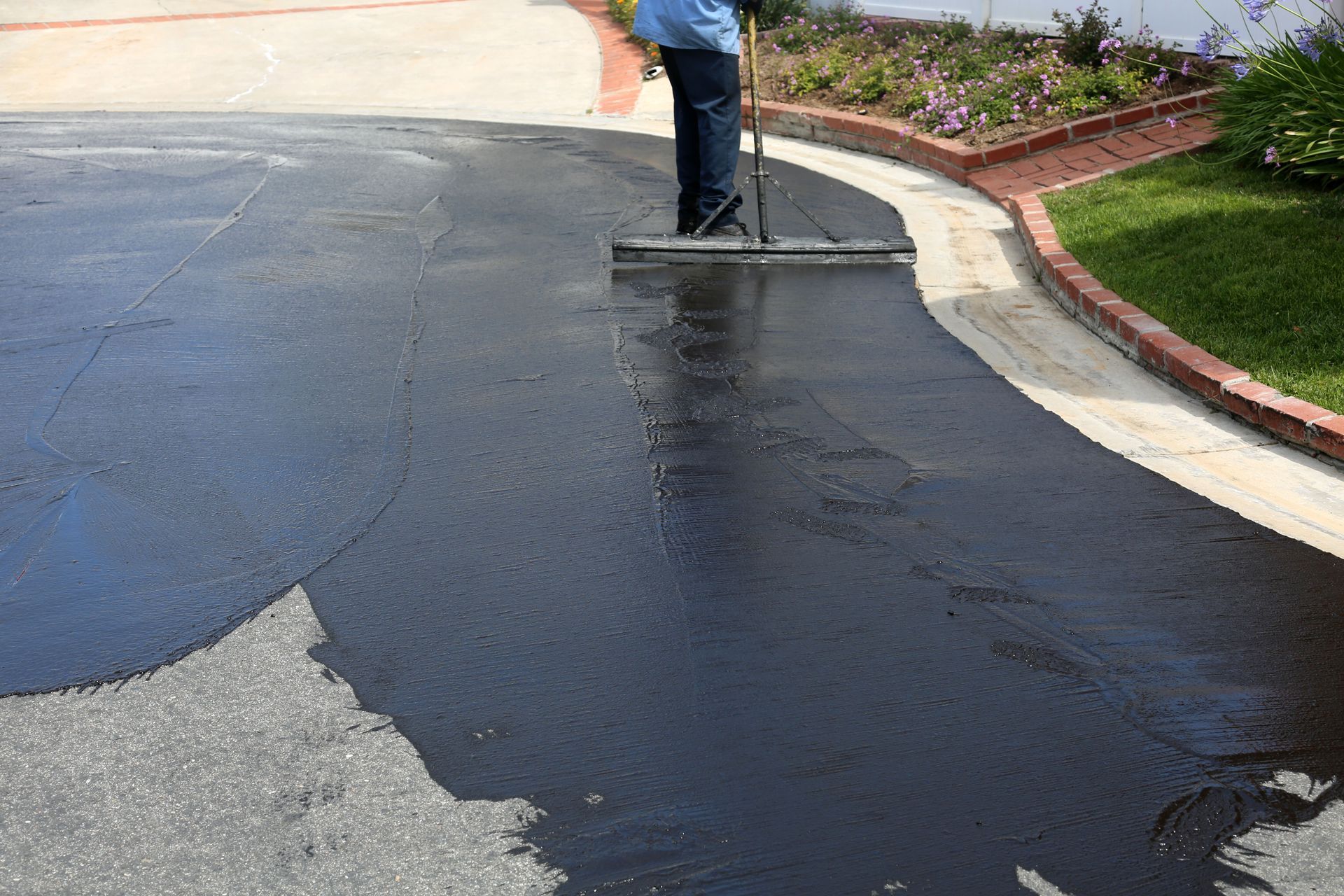
Property owners should understand that crack sealing and sealcoating serve different purposes. Crack sealing targets individual openings, while sealcoating applies a protective coating across a broader asphalt surface. According to Today's Homeowner, applying sealcoating every two to four years and repairing cracks as soon as they appear are important steps in maintaining an asphalt driveway's condition and value. Actual maintenance intervals may vary with traffic, climate, pavement condition, and product recommendations. Regular inspections can help identify developing cracks before they become more extensive.
5. Reinforcing Edges With Asphalt Curbing
Asphalt curbing is a lesser-known option that can help define paved areas and manage certain site conditions. Contractors create raised asphalt borders along selected edges of driveways, parking areas, or other surfaces. These borders may help direct surface water, discourage vehicles from traveling beyond designated boundaries, or separate pavement from surrounding landscaping. Asphalt curbing can be useful where traditional concrete curbs are unnecessary or where a project calls for a different construction approach. Its suitability depends on the location and intended function.
When planning curbing, property owners should consider vehicle movement, drainage patterns, and maintenance access. Poorly positioned curbs can interfere with water flow or create obstacles for equipment. Contractors can evaluate whether asphalt curbing will complement existing grades and pavement features. Proper installation and compaction are important for maintaining the shape and stability of the finished border. Although curbing may seem like a small improvement, thoughtful placement can contribute to better organization and functionality throughout a paved property.
6. Strengthening Damaged Areas With Full-Depth Patching
Not every pavement problem can be resolved through surface treatments. When asphalt damage extends into the underlying layers, full-depth patching may provide a more appropriate repair. This process involves removing a defined section of damaged pavement and addressing compromised materials beneath it when necessary. Contractors then rebuild the affected area using suitable base materials and asphalt. The method is often considered for severe potholes, recurring depressions, and localized structural failures that cannot be adequately corrected with superficial repairs.
Full-depth patching is among the paving services that property owners may not recognize until repeated surface repairs fail. Although the work is more involved than filling a shallow defect, it addresses conditions that may be contributing to recurring deterioration. Contractors should investigate drainage, traffic loading, and base stability before completing the repair. Without correcting the underlying cause, newly installed asphalt may eventually develop similar problems. Selecting the proper repair depth and materials helps support a durable result.
7. Improving Existing Pavement With Asphalt Overlays
An asphalt overlay involves placing a new layer of asphalt over an existing paved surface. This technique may improve appearance, restore a smoother driving surface, and address certain types of wear without requiring complete reconstruction. However, overlays are not appropriate for every driveway or parking lot. The underlying pavement must be evaluated for structural problems, drainage deficiencies, and extensive cracking. Installing fresh asphalt over serious existing damage may allow those problems to reappear through the new surface.
Before recommending an overlay, contractors may examine pavement thickness, surface elevations, and the condition of surrounding structures. Some projects require milling or localized repairs before new asphalt is installed. Property owners should also consider how the added material will affect garage entrances, walkways, curbs, and drainage patterns. A properly planned overlay can be a practical improvement when existing pavement provides a suitable foundation. Understanding these limitations helps customers distinguish resurfacing opportunities from situations requiring more extensive reconstruction.
Professional paving involves considerably more than installing new asphalt or filling visible potholes. Specialized options such as infrared repairs, drainage corrections, milling, crack sealing, curbing, full-depth patching, and overlays can address different pavement concerns. Each technique serves a particular purpose, and choosing the appropriate solution depends on the condition of the surface, its underlying structure, and how the area is used. Understanding these lesser-known paving services can help property owners recognize maintenance opportunities and avoid selecting treatments that do not address the underlying problem. For assistance evaluating your pavement and determining which improvements may be appropriate for your property, contact Alex Evans Asphalt Paving today.